International
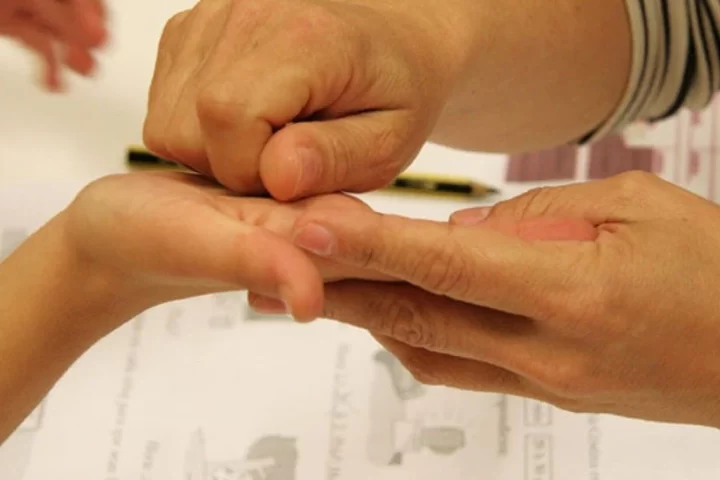
International Deafblindness Day.
Established in memory of Helen Keller, this commemoration has been observed every 27 June since 1989.
Read more: International Deafblindness Day.
RESEARCH
Explore research and articles by guest authors and AIEDI members, together with news, reviews and outreach content on disability, accessibility and inclusion. A space bringing together knowledge, analysis and current developments to advance a more inclusive society.
Search by title, author or keyword and find relevant content faster.
Established in memory of Helen Keller, this commemoration has been observed every 27 June since 1989.
Read more: International Deafblindness Day.
Cristian Garay Sánchez, director of the Niño Jesús de Praga Residential Care Centre (CAR), tells us about the situation of persons with disabilities at his centre.
Read more: Interview with social worker Cristian Garay Sánchez
This event, held since 1981, has had both critics and supporters because of the way it represents persons with disabilities.
Read more: What does the Teletón tell us about disability?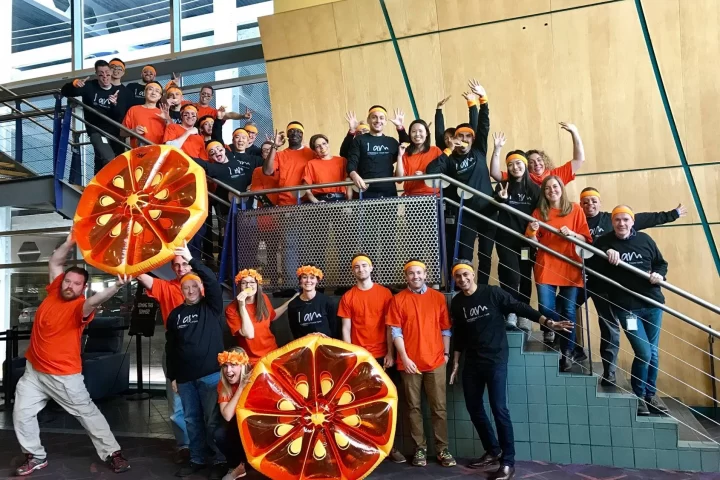
Facioscapulohumeral muscular dystrophy is the third most common form of muscular dystrophy, affecting approximately one in 20,000 people.
Read more: World Facioscapulohumeral Muscular Dystrophy Day
Seven years after the release of the successful “The Last of Us”, its sequel arrives and becomes the game with the most accessibility options in history.
Read more: The Last of Us Part II becomes the game with the most accessibility options.
Amid the coronavirus pandemic, the dismissal of a woman with a disability from the Municipality of Villa El Salvador has been reported.
Read more: Dismissals of workers with disabilities.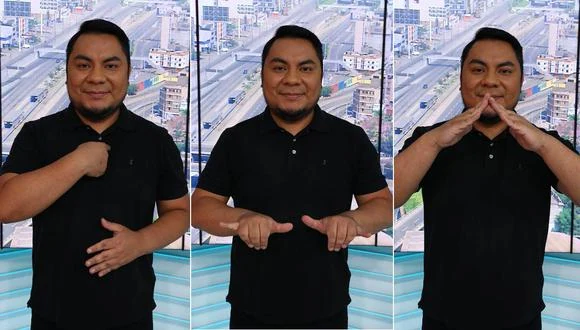
AIEDI’s Communications and Public Relations team interviewed the renowned interpreter, who has become an important national figure for the Deaf community.
Read more: Moisés Piscoya: interview with the renowned Peruvian Sign Language interpreter.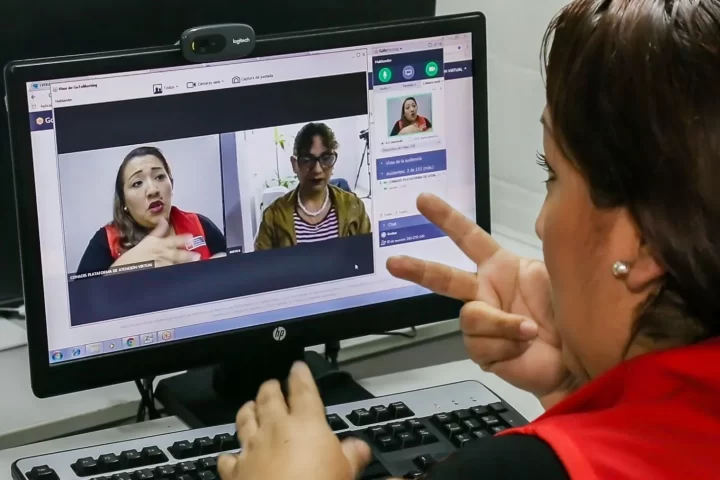
The platform seeks to enable persons with hearing disabilities to access various kinds of essential services.
Read more: Virtual platform launched for persons with hearing disabilities.AIEDI · Disability and Inclusion
Customise the page to your needs. Each control shows the setting that is currently active.
Choose the most convenient corner. This preference is stored only in this browser.
Structural navigation
Select a region or heading to move directly to it.
Assistance
Here you can see in one place which technology each Assistance feature uses and when an external service connection is involved.
Uses browser or system speech synthesis to read visible text. It does not use the microphone or send the text to AIEDI.
Uses speech synthesis and the page accessibility structure to announce controls, states and content. If YouTube videos are present, it may load the official IFrame Player API to provide accessible controls.
In Chromium-based browsers such as Chrome, Edge, Opera and Brave, after reloading the page the browser may require a real user interaction —for example, a click, tap or key press— before web speech synthesis can start again. Assisted Reading may remain enabled and detect content, but it may not produce speech until that interaction occurs. This restriction is imposed by the browser and cannot be disabled by the plugin. Assisted Reading complements, but does not replace, screen readers such as NVDA, JAWS or VoiceOver.
Visual preferences are stored locally in the browser. Reading tools use speech synthesis provided by the browser or operating system and do not use the microphone.
Plugin transparency
This statement applies exclusively to the interface and controls generated by the AIEDI - Accessibility plugin. It does not replace the website’s general accessibility statement.
Conforms to WCAG 2.2 Level AA within the plugin’s evaluated scope. Version 2.8.25 includes keyboard navigation, visible focus, accessible names and states, reinforced AA contrast, reflow, zoom, touch targets, responsive adaptation and status messages. The plugin does not provide voice control and does not use the microphone.
The declared conformance does not extend to the theme, editorial content, documents, external forms, controls inside iframes or third-party services. Those elements must be evaluated as part of the complete website.
Statement prepared through internal technical review, automated tests and documented checks of keyboard operation, focus, accessible names, states, contrast, magnification, reflow and responsive behaviour. It will be reviewed when major features change.
18 September 2026 · version 2.8.25.
Tell us which tool you were using, what you were trying to do and what happened using the “Report a barrier” button next to this statement in the widget.
Accessibility channel